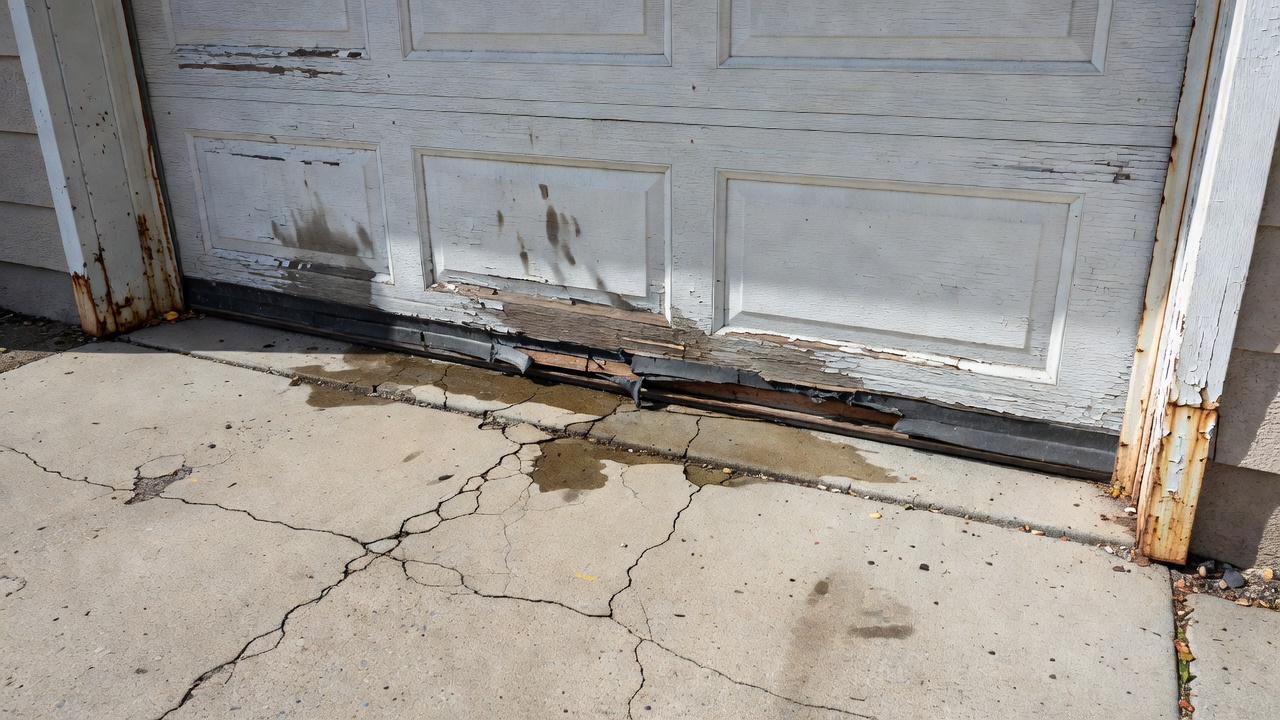
Garage Door Weather Seal Replacement in Los Angeles, CA
Garage Door Weather Seal Replacement is the targeted removal and installation of perimeter seals to stop air, water, pests, and dust infiltration at the garage door threshold and jambs. This service restores thermal performance, improves safety, and prevents rot and pest entry. Los Angeles Garage Doors Services
Act Quickly to Prevent Structural Damage
A leaking garage door seal can accelerate timber rot, corrode torsion springs, and allow pests entry. Immediate replacement prevents costly structural repairs, preserves stored items, and reduces mold risk. Schedule an inspection today to lock in materials and same-day service availability.
Replacing weather seals is critical because garage doors are one of the largest uncontrolled building envelope penetrations. Failed vinyl bottom seals, worn bulb seals, and cracked astragal strips allow moist marine air and urban pollutants into garages, accelerating timber rot and corroding torsion springs. We quantify risk using psychrometric monitoring and targeted humidity gauges to determine replacement priority and material selection.
Our technicians begin with a mechanical and thermal assessment using infrared thermal imaging and a borescope to inspect jamb cavities and bottom seal seating. We measure gap tolerances with feeler gauges and digital calipers and record door travel using an encoder to confirm proper sit and seal at rest. That precision prevents over-compression that shortens seal life and ensures compliance with local safety guidance.
Material selection is engineered to the application: EPDM closed-cell compression seals for cold-press fit, dual-lip PVC bulb seals for low-clearance sectional doors, and reinforced aluminum retainer astragals for double doors. We stock extruded rubber seals, silicone bulb seals, aluminum thresholds with neoprene inserts, and fast-curing polyurethane adhesives to accommodate concrete thresholds and angled sills common in Los Angeles hill properties.
Installation includes careful removal of old seals, surface prep with solvent cleaners, application of corrosion-resistant fasteners, and seal bed leveling using a digital level. For porous thresholds we use epoxy leveling compounds and stainless-steel retainer strips to prevent galvanic corrosion. Final sealing is verified with smoke pens and thermal imaging to confirm uniform continuity along the entire perimeter.
Preventative tips: maintain seals by clearing debris, lubricating metal retainers, and checking compression every 6 months. Simple homeowner checks include sliding a $1 bill between the door and threshold at multiple points; if it pulls out easily, schedule a replacement. For coastal ZIP codes in Los Angeles, increased UV-rated materials and silicone-based seals extend service life against ozone and sun exposure.
Industry insight: manufacturers now offer low-VOC, UV-stabilized EPDM compounds and contoured compression bulbs that reduce turbulence and wind-driven water intrusion. We evaluate wind-load and garage door balance because an unbalanced door can shear seals prematurely; we use calibrated spring scales and a torsion spring gauge to rebalance when needed.
Our local response approach focuses on rapid dispatch, inventory readiness, and code-compliant work documentation. Technicians arrive with threshold templates, a variety of seal extrusions, a portable heat gun for bead adhesion, and a torque-calibrated drill. After service we provide a digital handover with gap measurements, material specs, treatment date, and warranty registration to help with insurance claims or HOA records.
Common Issues We Fix
- Worn bottom rubber allowing water to pool under garage carpet or stored items
- Cracked bulb seals leading to drafts and higher cooling costs
- Detached astragal on double doors causing pest entry
- Uneven compression from warped thresholds creating intermittent leaks
- UV-brittle seals that crumble in high-sun exposure areas